

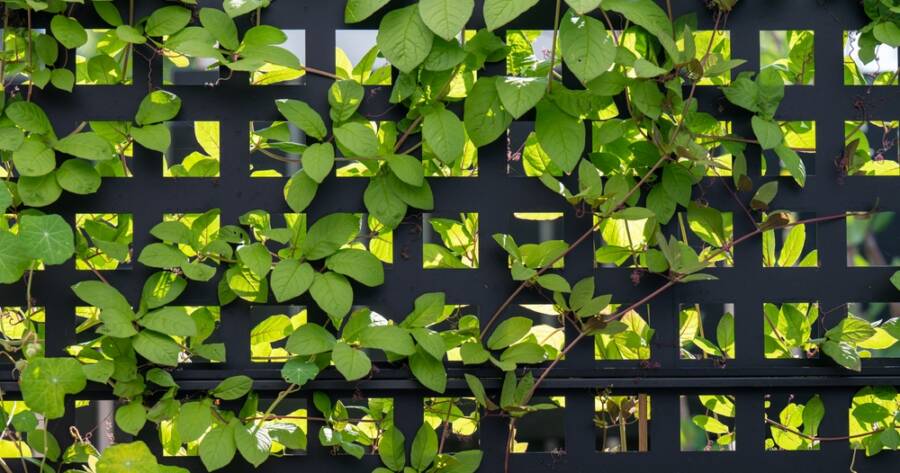
A full privacy fence can solve a backyard problem, but it is not always the best answer. Renters may not be allowed to install one, and homeowners may face permits, height rules, HOA limits, or a high project cost. The good news is that privacy does not have to mean a permanent wall. Plants, screens, panels, trellises, curtains, and smart layouts can all create a more private outdoor space with less commitment.
Start With the Privacy Problem You Actually Have
The best fence alternative depends on what you are trying to block. A patio that faces a neighbor’s deck needs a different fix than a balcony that looks into a parking lot. Before buying anything, stand in the space and mark the exact view you want to hide.
This keeps the project smaller and easier to manage. Instead of closing off the entire yard, you may only need privacy around a dining table, lounge chair, hot tub, grill area, or apartment railing. A targeted screen can feel better than a tall barrier because it protects the space without making the yard feel boxed in.
For homeowners, this step can also help avoid rule problems. Many cities regulate fence height, placement, and permits, especially for front yards, corner lots, and taller structures. A privacy option that sits inside the yard, moves when needed, or uses plants may be easier than a full fence, though local rules still matter.
Renters should also start with lease limits. Anything that drills into a wall, changes a railing, blocks a shared walkway, or damages grass can create trouble when it is time to move out. The safest renter-friendly choices are removable, weighted, or planted in containers.
Outdoor Privacy Screens for Fast Coverage
Freestanding outdoor privacy screens are one of the quickest alternatives to a fence. They can block a direct sightline on a patio, deck, or side yard without closing off the whole property. Many are made from wood, metal, resin, fabric, or composite panels.
For renters, the best versions are usually freestanding screens with wide bases or planter-style bottoms. These can be placed behind a seating area and moved later. For homeowners, fixed panels can look more finished, especially when they match the home’s trim, deck color, or outdoor furniture.
Screens work best when they are used in short runs. A three-panel screen beside a table may do more good than a long row along the whole property line. This approach also lets air and light pass through the yard.
Safety matters with any tall screen. A loose panel can tip in strong wind or become a hazard near children or pets. The U.S. Consumer Product Safety Commission encourages anchoring furniture and similar items that can tip over, which is a useful reminder for tall outdoor pieces as well.
Container Plants for Renters and Small Patios
Container plants are a strong choice for renters because they create privacy without digging. Large planters can hold tall grasses, compact shrubs, bamboo varieties, small trees, or climbing plants with supports. They also give the space a softer look than a solid panel.
The main advantage is flexibility. You can move containers to block a changing view, shift them for sun, or take them with you when you move. This makes them useful for balconies, rental patios, townhomes, and shared outdoor areas. Homeowners can use container plants too. They work well on paved patios, pool decks, front porches, and narrow side yards where planting in the ground is not simple. A row of planters can also help define a sitting area inside a larger yard.
Choose plants based on sun, wind, water needs, and winter conditions. A plant that works well in Florida may fail in Michigan, and a plant that loves full sun may struggle on a shaded balcony. Screening plants should be chosen for the site instead of picked only for height.
Living Screens With Shrubs, Trees, and Mixed Hedges
Living screens are one of the best long-term fence alternatives for homeowners. They use shrubs, trees, vines, or mixed plantings to form a natural border. A living screen can block views, soften noise, slow wind, and make a yard feel more settled. This option takes more patience than a panel or fabric screen. New plants need time to grow, and they need watering, pruning, and care. Still, the final result can look more natural than a fence and may blend better with the rest of the landscape.
A mixed hedge is often smarter than planting one type of shrub in a straight line. If every plant is the same, one pest, disease, or weather problem can damage the whole screen. A mixed screen can reduce the risk of losing the entire planting to one problem.
For a stronger design, use layers. Tall evergreens or small trees can go toward the back, medium shrubs can fill the middle, and lower plants can soften the front edge. Mixed screens typically use different heights and forms, with evergreens giving steady cover and deciduous plants adding seasonal value.
Trellises and Climbing Plants for Vertical Privacy
Trellises are useful when floor space is limited because they add privacy upward instead of outward. A narrow trellis can stand beside a patio, balcony, porch, or garden bench and give climbing plants a place to grow. Paired with a planter box, it can also become a more renter-friendly choice than planting vines directly in the ground.
Climbing plants can soften hard edges and make a privacy screen feel less heavy. Homeowners may be able to attach trellises to posts, pergolas, raised beds, or existing structures when rules allow, while renters should avoid drilling into siding, railings, or shared walls without written permission. The support should also match the plant, since heavy vines need stronger frames and lighter annual vines can work on simpler trellises.
Outdoor Curtains, Shade Cloth, and Balcony Screens
Outdoor curtains can make a porch, pergola, or covered patio feel like a private room. They work especially well when privacy is only needed at certain times, such as dinner, reading, or evening use. You can open them when you want light and close them when neighbors are outside.
Shade cloth and balcony screens are better for railings, decks, and apartment spaces. They can reduce visibility through open rails without adding a full wall. Some screens attach with ties or clips, which may make them easier to remove than hard panels. These options are not right for every place. Fabric can flap in wind, collect dirt, fade in sun, or need seasonal storage. On upper balconies, loose material may also be unsafe if it is not secured well.
Renters should check building rules before adding any fabric to a railing. Some apartments and condo communities limit what can be seen from outside the building. Even if a product is removable, it can still violate community rules.
Pergolas, Arbors, and Partial Overhead Screening
Privacy is not always about views from the side. In dense neighborhoods, the bigger issue may be second-story windows or nearby balconies. A pergola, arbor, or overhead screen can help make a seating area feel less exposed.
A pergola does not have to cover the whole yard. It can sit over one zone, such as an outdoor sofa, dining table, or spa area. Add slats, curtains, climbing plants, or shade panels to increase the feeling of cover. This option is usually better for homeowners than renters because it can require posts, footings, permits, or HOA approval. Some cities treat larger outdoor structures differently than small movable screens. Local permit rules should be checked before building.
A lighter option is a shade sail or removable canopy, but those need careful installation. They must be attached to strong points and placed with wind in mind. A poorly installed shade feature can sag, pull loose, or create more trouble than privacy.
Lattice Panels and Decorative Partitions
Lattice panels offer a middle ground between a fence and a plant screen. They block some views while still letting air and light pass through, which makes them useful around patios, trash areas, garden work zones, and side yards. Homeowners can use lattice as a permanent accent, especially when it is framed well and painted or stained to match the home.
Renters can use lattice in a more temporary way by placing a panel inside a planter, attaching it to a freestanding frame, or setting it behind outdoor furniture. Lattice is not the best choice when full privacy is needed right away because the open pattern still allows some visibility. For stronger coverage, pair it with vines, tall planters, curtains, or a second screen placed at an angle.
Pick the Best Alternative for Your Situation
The best choice for renters is usually a removable setup. Start with container plants, a freestanding screen, a planter trellis, balcony mesh, or outdoor curtains that do not damage the property. These options can make a patio or balcony feel more private while keeping move-out simple.
The best choice for homeowners is usually more layered. A homeowner might combine shrubs, small trees, lattice, and one or two fixed screens. This creates privacy that looks planned instead of patched together.
For fast results, choose screens, curtains, or balcony covers. For a softer look, choose plants. For a long-term yard upgrade, choose a mixed living screen. For tight spaces, choose trellises, planters, or narrow panels. Avoid solving every privacy issue with one tall object. A layered plan often works better. Place the strongest screen where the view is worst, then use plants, furniture, and shade to make the rest of the space feel calm.
A More Private Yard Without a Full Fence
A full privacy fence can still make sense for some homes, but it is not the only path. Many renters and homeowners can get better results by screening the exact area they use most. This keeps the project smaller, more flexible, and easier to match to the space.
Start with the least permanent solution that solves the problem. If that is not enough, add layers over time. A few planters, one well-placed screen, or a simple trellis can turn an exposed patio into a space that feels more comfortable, private, and useful.