

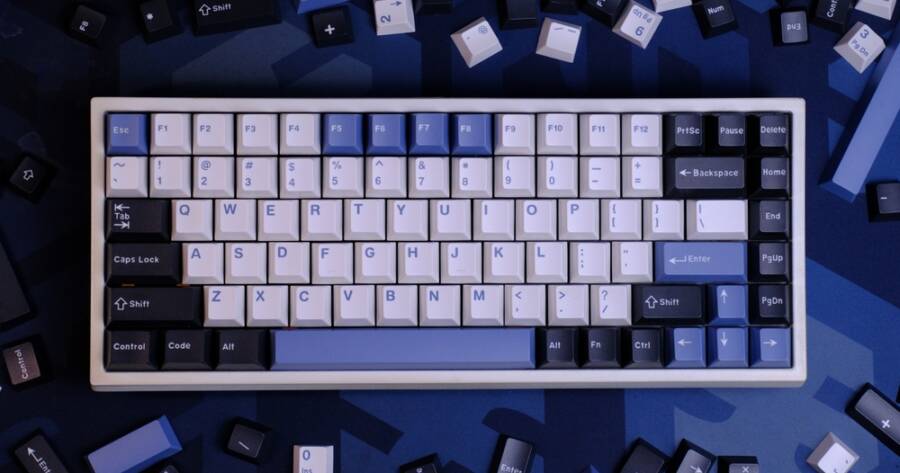
Most people do not think much about their keyboard until it starts to feel slow or uncomfortable. However, the type of keyboard you use can have a real impact on how you work each day. Mechanical keyboards, once popular mainly with gamers, are now gaining attention for everyday tasks. Their design, feel, and response can improve comfort and focus in ways that many users do not expect, especially during long hours at a desk.
What Makes Mechanical Keyboards Different
Mechanical keyboards use individual switches under each key instead of a flat membrane layer. This means every key press feels more distinct and consistent. When you type, you can feel exactly when a key is activated, which reduces uncertainty and helps build a steady rhythm.
This design also makes the keyboard more durable. Many mechanical keyboards are built to handle years of use without losing performance. For people who type often, this reliability can make a noticeable difference over time, especially compared to standard keyboards that may feel worn out after extended use.
Improving Typing Speed and Accuracy
One of the biggest benefits of a mechanical keyboard is improved typing performance. The clear feedback from each key press helps users avoid pressing keys too lightly or too hard. This can reduce typing errors and make it easier to maintain a steady pace.
Over time, many users find that their typing speed increases because they do not need to second-guess each input. The consistent feel across all keys also helps build muscle memory. As a result, typing becomes more natural, which can save time on tasks like writing emails, reports, or notes throughout the day.
Reducing Fatigue During Long Work Sessions
Comfort plays a major role in productivity, especially for people who spend hours typing. Mechanical keyboards often require less force to activate each key, depending on the switch type. This can reduce strain on your fingers and hands over long periods.
Some models also come with ergonomic designs or support accessories like wrist rests. These features can help maintain a better typing position and reduce discomfort. When your hands feel less tired, it becomes easier to stay focused and continue working without frequent breaks.
Creating a More Focused Work Environment
Mechanical keyboards are known for their sound, which can vary from soft to more noticeable clicks. While this may seem like a small detail, the sound and feel can help create a more engaging work experience. The feedback from each key press can keep you mentally connected to what you are doing.
For some users, this creates a rhythm that improves focus. Instead of feeling disconnected from the task, typing becomes more active and intentional. This can be especially helpful for writing, coding, or any work that requires sustained attention.
Customization for Personal Workflow
Another advantage of mechanical keyboards is the ability to customize them. Many models allow users to choose different switch types based on how they prefer their keys to feel. Some switches are softer and quieter, while others provide a stronger tactile response.
In addition to switches, users can often customize key layouts, shortcuts, and lighting. This flexibility allows you to set up your keyboard in a way that supports your specific workflow. For example, you can assign certain keys to common actions, reducing the need for repetitive steps and saving time during daily tasks.
Long-Term Value for Daily Use
Mechanical keyboards are often seen as a long-term tool rather than a short-term accessory. Because they are built to last, they can remain reliable even with heavy use. This makes them a practical choice for people who rely on their keyboard every day for work or personal tasks.
Instead of replacing a keyboard frequently, users can invest in one that continues to perform well over time. This consistency helps maintain productivity because you are not adjusting to new devices or dealing with declining performance.
Small Change, Noticeable Results
Switching to a mechanical keyboard may seem like a minor upgrade, but it can have a meaningful impact on how you work. From better typing accuracy to reduced fatigue and improved focus, the benefits build up over time.
By improving comfort and creating a more responsive typing experience, mechanical keyboards can support a smoother and more productive workflow without requiring major changes to your daily routine.