

Managing weight can be challenging, especially when portion sizes are hard to judge. Many Americans eat more than they realize, simply because servings are larger than needed. Portion control tools offer a practical way to bring awareness to how much you eat without requiring strict dieting. By using simple tools and building consistent habits, it becomes easier to manage intake, stay satisfied, and support long-term health goals in a realistic and sustainable way.
Why Portion Control Matters
Portion control is about understanding how much food your body needs. Even healthy foods can lead to excess calorie intake if portions are too large. Without clear guidance, it is easy to underestimate how much you are eating, especially with packaged or restaurant meals.
Using portion control tools helps create a visual and physical reference for serving sizes. This reduces guesswork and helps build awareness over time. Instead of relying on memory or rough estimates, you have a clear way to measure what you are eating.
Over time, this awareness can lead to better habits. You begin to recognize appropriate portions without needing to measure everything, which supports long-term weight management.
Digital Food Scales for Accurate Measuring
A digital food scale is one of the most precise tools for portion control. It allows you to weigh food in grams or ounces, giving you a clear understanding of serving sizes. This is especially helpful for foods like rice, pasta, meat, or snacks where portions can easily grow without notice.
Using a scale can help you stay consistent with your meals. It removes the uncertainty of guessing and provides a reliable way to track intake. Many people use food scales when preparing meals at home to ensure balanced portions.
While it may seem detailed at first, using a scale often becomes quick and routine. Over time, it helps build a better sense of how much food you actually need.
Portion Control Plates and Containers
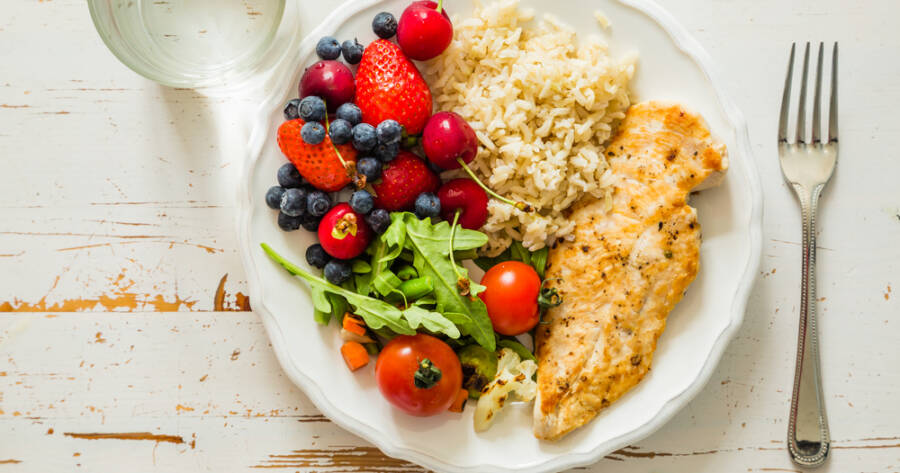
Portion control plates are designed with sections that guide how much of each food group to include. For example, a plate may divide space for protein, vegetables, and grains. This visual layout makes it easier to create balanced meals without needing to measure every item.
Containers with marked sections or set sizes also help manage portions, especially for meal prepping. These containers make it easy to prepare meals in advance and avoid overeating later in the day.
Using these tools regularly can simplify decision-making. Instead of wondering how much to serve, the structure is already in place. This helps reduce the chances of adding extra portions without thinking.
Measuring Cups and Spoons for Everyday Use
Measuring cups and spoons are simple tools that can make a big difference in portion control. They are especially useful for foods like cereals, oils, dressings, and snacks. These items are often consumed in larger amounts than intended when not measured.
By using measuring tools, you can keep portions consistent and avoid hidden excess. For example, a serving of cereal may look smaller than expected, but measuring it helps you stay accurate.
These tools are easy to use and already found in many kitchens. Adding them to your routine requires little effort but can lead to more mindful eating habits.
Smart Apps and Tracking Tools
Digital tools also play a role in portion control. Many mobile apps allow you to track what you eat and estimate portion sizes. Some apps include visual guides or databases that help you log meals more easily.
While these tools may not replace physical measuring devices, they add another layer of awareness. Tracking your meals can highlight patterns and help you understand where adjustments may be needed.
Over time, combining physical tools with digital tracking can create a more complete system. This helps you stay consistent and better understand your eating habits.
Building Consistent Habits Over Time
Portion control tools are most effective when used regularly. The goal is not to measure every meal forever but to build awareness and consistency. As you become more familiar with portion sizes, you may rely less on tools and more on habit.
It is also important to focus on balance rather than strict limits. Portion control should support a sustainable routine, not create stress. Allowing flexibility while maintaining awareness helps make these habits easier to maintain.
Small changes can lead to steady progress. Even using one or two tools consistently can make a noticeable difference over time.
A Practical Approach to Better Eating
Portion control tools provide a simple and effective way to manage how much you eat each day. Whether using a digital food scale, portioned containers, or measuring cups, these tools help reduce guesswork and build better habits.
By creating awareness and supporting consistency, they play an important role in weight management. With regular use, portion control becomes easier, helping you maintain a balanced and sustainable approach to eating.