

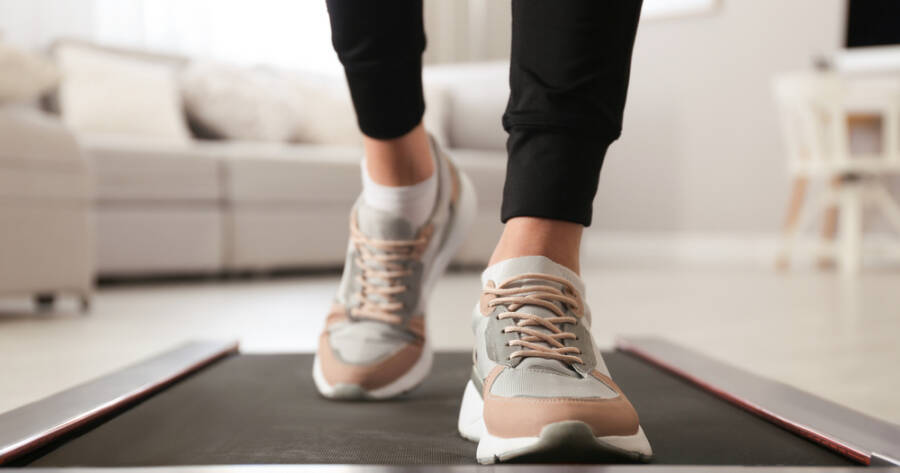
Staying active at home has become more important as people look for simple ways to move throughout the day. Walking pads are gaining attention as a compact and practical solution. Unlike traditional treadmills, they are designed to fit into smaller spaces and support light activity during daily routines. Whether used while working or during recreational time, walking pads offer a convenient way to stay active without needing a full workout setup.
What Makes Walking Pads Different
Walking pads are smaller and more streamlined than standard treadmills. Most models are designed for walking rather than running, which makes them quieter and easier to store. Many can slide under a desk or bed when not in use, making them ideal for apartments or shared spaces.
Another key feature is their simple design. Walking pads usually have fewer controls and focus on steady movement rather than advanced workout programs. This makes them easier to use for beginners or anyone who wants a straightforward way to stay active.
Because they are lightweight and portable, users can move them between rooms or store them quickly. This flexibility has made them popular for people who want to stay active without dedicating a large area to fitness equipment.
Supporting Movement During the Workday
One of the biggest reasons walking pads are becoming popular is their use with standing desks. Many people now work from home or spend long hours sitting, which can lead to low activity levels. A walking pad allows users to walk slowly while working, turning passive time into active time.
This approach helps break up long periods of sitting. Even light walking can support better circulation and help maintain energy throughout the day. Instead of setting aside time for exercise, users can stay active while completing daily tasks.
Walking while working may take some adjustment at first, but many users find that a slow and steady pace works well for tasks like reading, typing, or attending virtual meetings. Over time, it can become a natural part of the work routine.
Popular Walking Pad Models
Several walking pad models have gained attention for their design and ease of use:
- The WalkingPad P1 and WalkingPad C2 are known for their foldable design, which makes them easy to store. These models are often chosen by users who need to save space while still having access to daily movement.
- The UREVO Walking Pad is another popular option. It offers a simple setup and is often used under desks for light activity during the day. Its compact size makes it suitable for smaller homes or apartments.
- The Goplus 2-in-1 Folding Treadmill provides a bit more flexibility. It can be used as a walking pad under a desk or as a standard treadmill with a raised handle for more traditional use. This dual function appeals to users who want more variety in their routine.
Each of these models focuses on ease of use and space-saving design, which are key reasons for their growing popularity. While features may vary, the overall goal is the same: to make movement more accessible at home.
Low-Impact Fitness for Daily Use
Walking pads are designed for low-impact activity, which makes them suitable for a wide range of users. Walking is one of the most natural forms of exercise and places less stress on the joints compared to higher-impact activities.
This makes walking pads a good option for beginners, older adults, or anyone looking for a gentle way to stay active. Instead of intense workouts, they support steady movement that can be done consistently over time.
Because the pace is usually slower, users can focus on maintaining good posture and staying comfortable. This helps reduce strain and makes it easier to use the walking pad regularly without feeling overwhelmed.
Building Consistency Without a Gym
One of the biggest challenges in fitness is staying consistent. Walking pads help address this by making activity more convenient. When the equipment is easy to access and use, it becomes easier to build a daily habit.
There is no need to travel to a gym or plan a full workout session. Even short periods of walking throughout the day can add up over time. This approach fits well with busy schedules and helps remove common barriers to staying active.
Users can also adjust their routine based on their needs. Some may use the walking pad in short sessions, while others may walk for longer periods during work or while watching television. This flexibility makes it easier to maintain a routine that fits individual lifestyles.
A Practical Shift Toward Everyday Movement
Walking pads are becoming a staple for indoor fitness because they offer a simple and flexible way to stay active. By combining movement with daily routines, they help reduce long periods of inactivity without requiring major changes.
Popular models like the WalkingPad P1, UREVO Walking Pad, and Goplus 2-in-1 treadmill show how compact design can support consistent use. As more people look for practical fitness solutions at home, walking pads continue to stand out as an easy and effective option.