

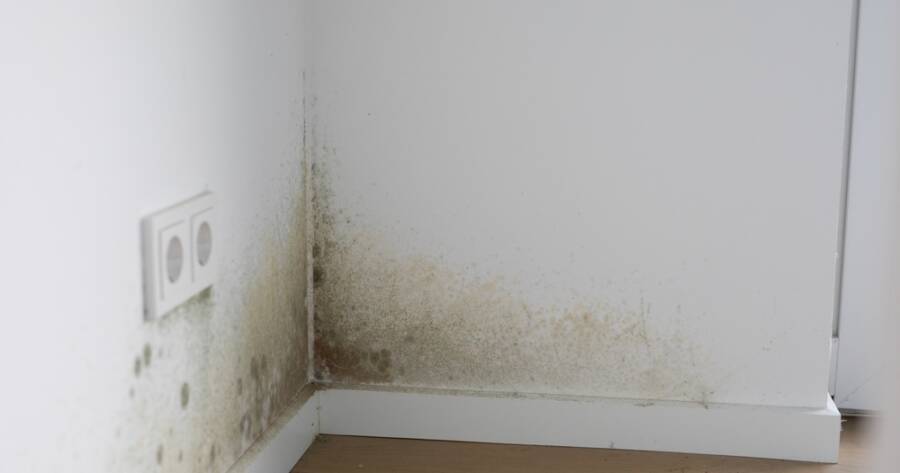
Damp basements are one of the most common headaches for U.S. homeowners. The mix of underground walls, soil moisture, and limited airflow gives mold the perfect place to grow. Once mold takes hold, it can damage stored items, harm indoor air quality, and trigger health concerns for the whole household. The good news is that simple steps can stop mold before it starts. It’s helpful to understand effective mold-prevention solutions that work well in basement spaces.
1. Control Humidity with a Dehumidifier
Humidity is the quiet driver of basement mold. The EPA recommends keeping indoor humidity below 60 percent, with the ideal range falling between 30 and 50 percent (source). A dehumidifier is one of the simplest tools for reaching that goal in a basement. It pulls damp air across cold coils, drains the water away, and pushes drier air back into the room over and over again.
For most homes, a basement dehumidifier runs through the warm, humid months when moisture levels rise. A small humidity meter helps you track the readings over time and spot trouble early before mold has a chance to form (source). Once humidity drops into the safe zone, the air feels lighter, musty smells often fade, and surfaces stay dry to the touch. This single step can stop mold from forming on walls, boxes, and furniture stored below, while making the space more comfortable for laundry, hobbies, or even a guest room.
2. Seal Cracks and Apply Waterproof Coatings
Tiny cracks in a basement wall or floor may look harmless, but they let in moisture day after day. Over time, that steady drip feeds mold growth and slowly weakens the structure. Sealing those gaps is one of the most useful prevention steps. Hydraulic cement, silicone caulk, and silicate-based concrete sealers can each fill small openings and create a tight barrier against soil moisture pressing in from outside (source).
For larger surfaces, a waterproof coating or membrane can be applied to interior or exterior walls. These coatings form a strong layer between the concrete and the damp ground outside, which keeps water from soaking through into the room. Small cracks can often be tackled as a weekend DIY project with basic tools, while full walls may call for a professional. Either way, sealing is a strong first line of defense for any damp basement and pairs well with the other prevention steps below (source).
3. Improve Outside Grading and Gutter Flow
A lot of basement moisture actually starts outside the house. When the soil around the foundation slopes toward the home, rainwater pools against the basement walls after every storm. That standing water finds its way in through small cracks, joints, and gaps you may never see from the inside. Proper grading slopes the soil away from the home, so water flows off and away from the foundation instead of soaking in and pressing on the walls (source).
Gutters and downspouts also play a key role in this outdoor defense. If gutters are clogged or downspouts dump water near the foundation, the soil stays wet and pressure builds against the basement walls hour after hour. Cleaning gutters at least twice a year and adding extensions that move water several feet away from the house can make a real difference during heavy rain (source). Both fixes are low-cost, simple ways to cut the moisture load on the basement below.
4. Add Drainage and a Sump Pump
If water still finds a way in, a drainage system and sump pump can carry it back out. An interior drain set along the basement edges catches water before it spreads across the floor. The water flows into a small pit, and a sump pump kicks on to push it outside, well away from the foundation. Sump pumps and similar measures should be considered when seepage is a regular problem (source).
This setup is most helpful in homes that sit in flood-prone or rainy areas, or on slopes that drain toward the house. Even in normal weather, the system handles the slow seepage that would otherwise feed hidden mold behind drywall and under storage. A battery backup is worth strong consideration, since storms often knock out power right when the pump is needed most. Together, drainage and a sump pump form a reliable last line of defense for any damp basement.
Building a Drier, Healthier Basement for the Long Haul
Mold thrives on moisture, so every step that cuts moisture also cuts mold risk in the long run. A dehumidifier holds the air in a safer range, sealants block the small leaks that often go unnoticed, smart grading and gutters keep rain from pooling near the walls, and drainage plus a sump pump catch whatever still slips through. Together, these four solutions cover most of the paths that mold can use to take hold downstairs.
No single fix solves every basement. Older homes, high water tables, and humid climates may need a stronger mix of these tools to stay dry through the year. Even small changes, though, can shift the balance in your favor. A drier basement protects stored belongings, keeps air healthier upstairs, and adds usable square footage to the home. For U.S. homeowners dealing with damp downstairs corners or musty smells, these prevention steps offer a practical, lasting way to stop mold problems before they start.