

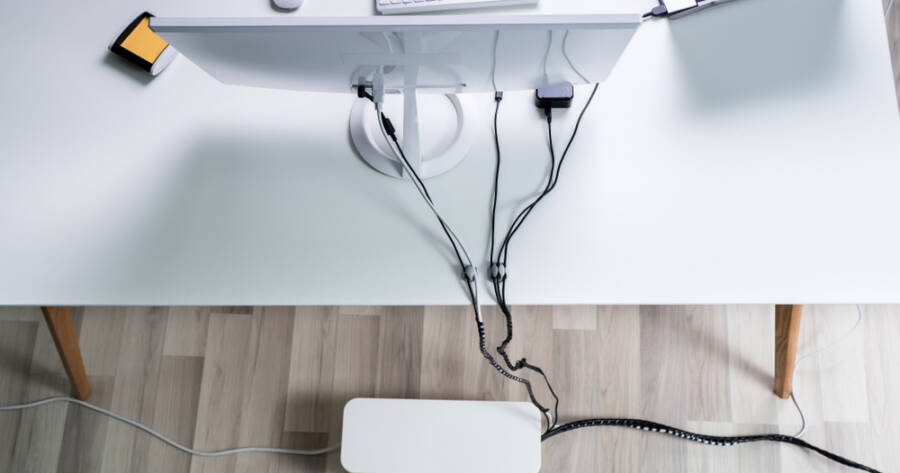
Loose cables have a way of making even the most organized room feel messy and unfinished. Tangled cords, visible wires, and cluttered power strips can distract from an otherwise clean setup. Luckily, with a few intentional adjustments, one can dramatically improve how a space looks and functions. With the right approach, cables can be neatly contained, hidden, or blended into the environment, creating a more polished and calming atmosphere without requiring major changes.
Start by Identifying and Reducing Cable Clutter
The first step in managing cables is understanding what is actually needed. Over time, unused chargers, duplicate cords, and outdated devices tend to accumulate, adding unnecessary clutter. Sorting through cables and removing anything no longer in use helps simplify the setup right away.
Once only essential cables remain, it becomes easier to organize them effectively. Grouping cords by function, such as work devices or entertainment systems, creates a more structured layout. Reducing excess cables not only improves appearance but also makes maintenance easier, preventing tangles and confusion in the future.
Use Cable Clips and Sleeves for Simple Organization
Cable clips and sleeves are among the easiest ways to keep cords under control. Clips can be attached to desks, walls, or baseboards to guide cables along a clean path. This keeps cords from hanging loosely or falling behind furniture, making them easier to access when needed.
Cable sleeves bundle multiple cords together into a single, streamlined line. This approach works especially well for desks or entertainment areas with several devices. By grouping cables, the overall look becomes more intentional and less chaotic, while also reducing the chance of tangling or damage.
Hide Power Strips and Bulky Adapters
Power strips and adapters often contribute the most to visual clutter. Leaving them exposed can make a space feel disorganized, even if the rest of the setup is tidy. Finding ways to conceal them can instantly improve the overall look.
Cable boxes or organizers can house power strips while still allowing easy access. Placing them behind furniture or under desks keeps them out of sight without sacrificing functionality. Managing larger components creates a cleaner foundation, allowing smaller cable solutions to work more effectively.
Route Cables Along Walls and Furniture Edges
Letting cables run freely across floors or open spaces can make a room feel cluttered and unsafe. Routing cords along walls or furniture edges creates a more controlled and intentional appearance. Adhesive cable raceways or channels can help guide cords neatly along surfaces.
Keeping cables close to edges also reduces tripping hazards and makes cleaning easier. Aligning cords with architectural lines, such as baseboards or desk edges, helps them blend into the background. Thoughtful routing keeps cables functional while minimizing their visual impact.
Label and Separate Cords for Easy Access
When multiple devices are connected, it can become difficult to identify which cable belongs to which item. Labeling cords helps avoid confusion and saves time when unplugging or rearranging devices. Simple tags or color-coded markers can make a noticeable difference.
Separating cables by purpose also improves organization. Keeping work-related cords together and entertainment cables in another group prevents unnecessary mixing. A clear system makes it easier to manage changes and maintain order, especially in spaces with frequent device use.
Incorporate Furniture with Built-In Cable Management
Many modern furniture pieces are designed with cable management in mind. Desks, TV stands, and media consoles often include built-in channels, holes, or compartments that help conceal cords. Choosing furniture with these features can simplify the entire process.
Integrating cable management into furniture design keeps cords hidden without requiring additional tools or accessories. It also creates a cleaner, more seamless look. Investing in pieces that support organization from the start can reduce effort over time and maintain a tidy appearance with minimal upkeep.
A Cleaner Space with Less Visual Noise
Organized cables can transform the overall feel of a room, making it look more polished and intentional. Removing visible clutter allows other design elements to stand out, creating a calmer and more inviting environment. Small changes can have a surprisingly large impact on how a space is perceived.
Maintaining cable organization does not require constant effort once a system is in place. With a few smart solutions and consistent habits, cords can remain tidy and manageable. A cleaner setup supports both functionality and aesthetics, helping any space feel more put-together and easier to enjoy.