

Living spaces have evolved alongside changing lifestyles, where flexibility and efficiency matter more than ever. As homes become smaller and daily routines grow more dynamic, furniture is expected to do more than serve a single purpose. Pieces that adapt, transform, or offer hidden functionality are gaining attention for their ability to maximize space without sacrificing comfort or style. Smart design now focuses on versatility, allowing rooms to shift effortlessly between work, rest, and social use.
Why Multi-Functional Furniture Is Gaining Popularity
Modern living often requires spaces to serve multiple roles throughout the day. A living room may double as an office, while a bedroom might also function as a workout or relaxation area. Multi-functional furniture helps bridge that gap by allowing one piece to support several activities without overcrowding the room.
Beyond practicality, there is also a growing interest in intentional living. Owning fewer but more useful items reduces clutter and simplifies daily routines. Furniture that adapts to different needs supports a more streamlined lifestyle, making homes feel more organized and easier to manage without constant rearranging.
Maximizing Space Without Sacrificing Comfort
One of the biggest advantages of multi-functional furniture is its ability to create more usable space. Instead of filling a room with separate pieces, a single adaptable item can take on multiple roles. That efficiency opens up floor space, making rooms feel larger and more breathable.
Comfort remains a priority in modern designs. Earlier versions of convertible furniture often sacrificed quality for convenience, but newer options focus on both. Softer materials, improved mechanisms, and thoughtful construction ensure that pieces like sofa beds or foldable chairs provide a comfortable experience without feeling like a compromise.
Murphy Beds and Sofa Beds for Flexible Living
Murphy beds, or wall beds, have made a strong comeback, especially in compact apartments. By folding into a wall or cabinet when not in use, they free up valuable floor space during the day. Many modern designs include built-in shelving or desks, adding even more functionality to a single installation.
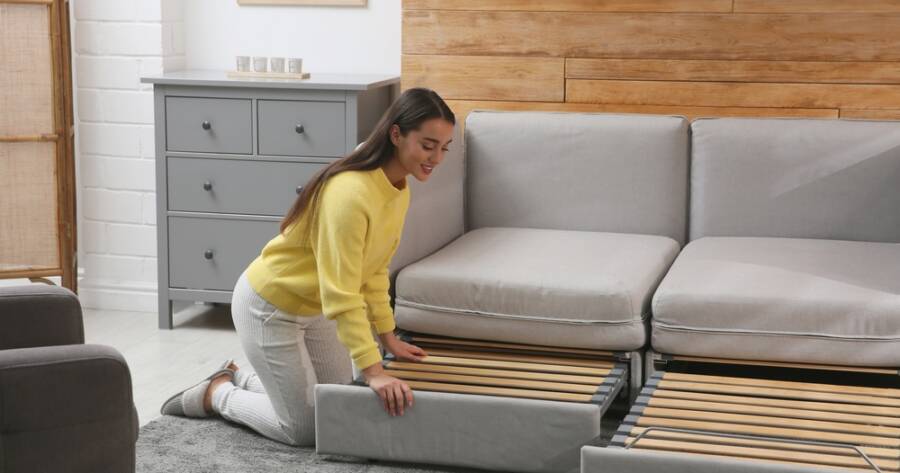
Sofa beds offer a similar benefit in a more casual format. A seating area can quickly transform into a sleeping space for guests without requiring a separate room. With improved mattress quality and smoother conversion mechanisms, sofa beds now provide a far more comfortable experience than older versions.
Modular Sofas and Foldable Desks for Adaptable Layouts
Modular sofas are designed to shift and reconfigure based on changing needs. Individual sections can be rearranged to create different seating arrangements, making them ideal for both small gatherings and larger social settings. Their flexibility allows a room to evolve without requiring new furniture.
Foldable or wall-mounted desks are another practical solution for limited spaces. When not in use, they can be tucked away to free up room for other activities. This is especially useful in apartments where a dedicated office is not possible. Having a workspace that appears only when needed helps maintain a clean and open environment.
Storage Ottomans and Hidden Compartments
Furniture that doubles as storage helps reduce visible clutter while keeping essentials within reach. Storage ottomans are a popular option, offering seating, foot support, and hidden compartments all in one piece. They work well in living rooms, bedrooms, or entryways where extra storage is always useful.
Hidden compartments are becoming more common in coffee tables, bed frames, and benches. Keeping items out of sight contributes to a cleaner, more organized look. At the same time, accessibility remains easy, which makes daily routines more efficient without sacrificing convenience or style.
Designing a Cohesive and Functional Space
Incorporating multi-functional furniture requires a thoughtful approach to layout and design. Each piece should serve a clear purpose while complementing the overall aesthetic of the room. Choosing items with simple lines and neutral finishes can help maintain a cohesive look even when functionality is layered.
Balance is key. While versatility is important, overloading a space with too many transforming pieces can feel overwhelming. Selecting a few well-designed items that meet multiple needs often creates a more harmonious environment. The goal is to enhance usability while preserving comfort and visual appeal.
Smart Living Through Thoughtful Design
Multi-functional furniture reflects a broader shift toward smarter, more adaptable living. Homes are no longer defined by fixed layouts but by how well they support changing routines and priorities. Flexible pieces allow spaces to evolve naturally, making everyday life more convenient and efficient.
With the right choices, even compact homes can feel open, organized, and comfortable. Furniture that adapts to different needs brings both practicality and style into balance. A thoughtful approach to design ensures that every piece contributes to a space that feels both functional and inviting.