

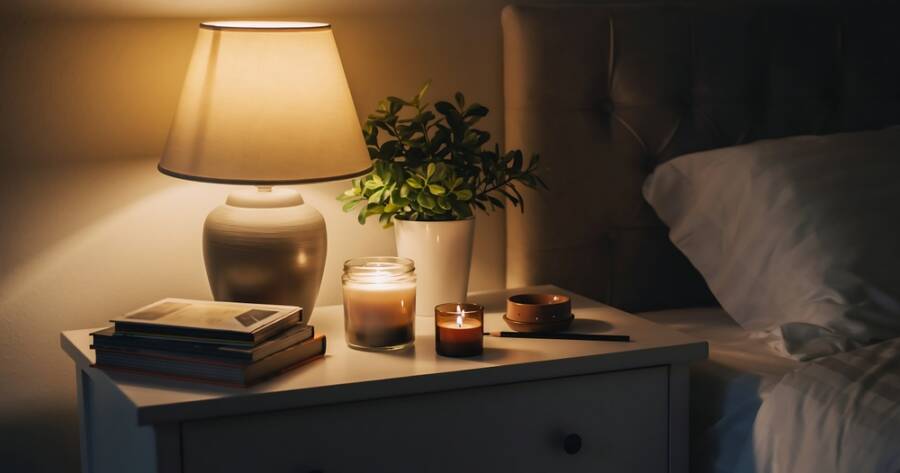
Lighting quietly shapes how a space feels, influencing energy levels, focus, and emotional comfort throughout the day. Brightness, color temperature, and placement all play a role in how the brain responds to an environment. From the energizing effect of daylight to the calming glow of softer tones, lighting can either support or disrupt daily rhythms. Thoughtful choices can transform ordinary rooms into spaces that feel more inviting, balanced, and aligned with both productivity and relaxation.
Natural Light and the Body’s Internal Clock
Natural light plays a critical role in regulating circadian rhythm, the internal system that controls sleep and wake cycles. Exposure to daylight helps signal when to feel alert and when to wind down, creating a more stable daily rhythm. When natural light is limited, energy levels can fluctuate, and sleep quality may decline over time.
Sunlight also supports the production of serotonin, a neurotransmitter linked to mood and emotional well-being. Spaces with strong natural light often feel more uplifting and energizing. Positioning work areas near windows or keeping window treatments minimal can help maximize exposure and support both mental clarity and overall balance throughout the day.
Warm vs. Cool Lighting and Emotional Response
Different types of artificial lighting can evoke very different emotional responses. Warm lighting, with soft yellow or amber tones, tends to create a cozy and relaxed atmosphere. Living rooms and bedrooms often benefit from warmer tones, as they encourage comfort and help signal that it is time to unwind.
Cool lighting, on the other hand, leans toward blue or white tones and is commonly associated with alertness and focus. Offices, kitchens, and workspaces often use cooler lighting to support productivity. However, excessive use of cool lighting in relaxation areas can feel harsh or clinical, so balancing both types is key to creating a comfortable home environment.
How Light Intensity Influences Focus and Energy
Brightness levels can significantly impact how alert or fatigued a person feels. High-intensity lighting tends to increase focus and reduce drowsiness, making it ideal for tasks that require concentration. Dim lighting, while relaxing, can lower alertness and may lead to reduced productivity if used in work areas.
Adjustable lighting provides flexibility throughout the day. Brighter light in the morning can help energize the body, while softer lighting in the evening supports a gradual transition into rest. Using layered lighting, such as combining overhead fixtures with lamps, allows for better control over intensity and helps tailor the environment to specific activities.
The Role of Light Placement and Direction
Where light is positioned can change how a room feels just as much as the type of light itself. Overhead lighting provides general illumination, but relying on it alone can create flat or uninviting spaces. Adding light at different levels, such as floor lamps or desk lighting, introduces depth and dimension.
Directional lighting can also highlight certain areas while leaving others softer and more subdued. Task lighting, for example, focuses illumination where it is needed most without overwhelming the entire room. Thoughtful placement helps reduce harsh shadows, improve visibility, and create a more visually balanced and comfortable environment.
Lighting Design and Cognitive Performance
Lighting does more than shape mood; it can directly influence cognitive performance. Environments with adequate brightness and balanced color temperature tend to support better focus, faster decision-making, and improved problem-solving abilities. Poor lighting, by contrast, can contribute to eye strain, fatigue, and reduced efficiency.
Workspaces that incorporate natural light alongside supportive artificial lighting often produce the best results. Combining different light sources helps maintain consistent illumination throughout the day. A well-lit environment reduces distractions caused by discomfort and allows the brain to stay engaged for longer periods.
Choosing the Right Lighting for Each Space
Selecting the right lighting depends on how each room is used. Spaces designed for relaxation benefit from warmer tones and softer brightness, while areas dedicated to work or cooking require clearer, brighter illumination. Matching lighting to function ensures each space supports its intended purpose.
Flexibility is equally important. Dimmers, adjustable lamps, and layered lighting setups allow for quick changes throughout the day. Combining natural light with both warm and cool artificial options creates a balanced environment. Paying attention to color temperature, brightness, and placement helps create a home that feels both functional and comfortable.
Designing a Space That Works With You
Lighting has a powerful influence on how a home feels and functions, often without being consciously noticed. Small adjustments can lead to meaningful improvements in mood, focus, and overall comfort. A well-lit space supports daily routines and creates an environment that feels aligned with personal needs.
Intentional lighting choices bring flexibility and balance into everyday life. By combining natural light, thoughtful placement, and the right mix of tones, any space can become more supportive and inviting. When lighting works in harmony with daily rhythms, it enhances both productivity and relaxation in a seamless way.