

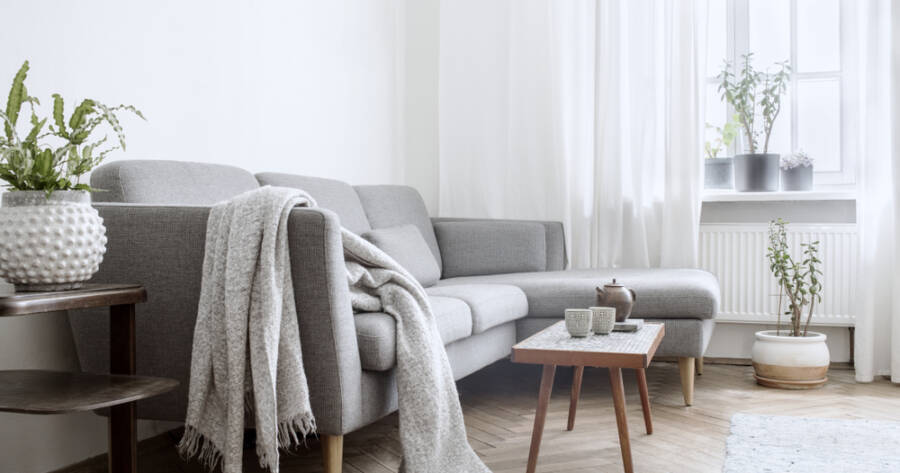
Small apartments often come with big design challenges, especially when every square foot needs to serve a purpose. Limited space can feel restrictive, but thoughtful choices can completely transform how a home looks and functions. With the right visual tricks and layout strategies, even the most compact living area can feel open, airy, and comfortable. A few intentional adjustments can shift perception, making a space feel significantly larger without knocking down a single wall.
Choose Light, Cohesive Paint Colors
Color plays a powerful role in how spacious a room feels. Lighter shades such as soft whites, pale grays, and warm neutrals reflect more light, helping walls appear to recede rather than close in. A consistent color palette throughout the apartment also creates visual continuity, which reduces the sense of separation between rooms and makes the entire layout feel more expansive.
Avoid strong contrasts between walls, trim, and ceilings whenever possible. When everything flows in a similar tone, the eye moves more smoothly across the space. Subtle variations in texture or finish can add interest without disrupting that sense of openness. Even ceilings painted slightly lighter than walls can create the illusion of added height.
Declutter to Create Breathing Room
Clutter quickly shrinks a space, both physically and visually. Items left on surfaces or stored without intention can make even a decent-sized room feel cramped. Taking time to edit belongings and keep only what is regularly used or genuinely enjoyed can dramatically improve how a space feels day to day.
Storage should work quietly in the background. Baskets, bins, and hidden compartments help keep everyday items accessible but out of sight. Clear surfaces, especially on countertops and tables, give the eye a place to rest. When less visual noise is present, rooms naturally feel larger and more organized without requiring any structural changes.
Maximize Natural Light Wherever Possible
Natural light instantly opens up a room and adds a sense of airiness that artificial lighting struggles to replicate. Keeping windows unobstructed allows sunlight to travel further into the space, brightening corners that might otherwise feel enclosed. Sheer curtains or light-filtering blinds can provide privacy without blocking incoming light.
Furniture placement also matters. Avoid positioning bulky pieces directly in front of windows, as that can interrupt the flow of light. Reflective surfaces like glass or glossy finishes can help bounce light around the room, enhancing brightness. Even small adjustments to how light enters and moves through a space can make a noticeable difference.
Use Mirrors to Expand Visual Depth
Mirrors are one of the most effective tools for making a room feel larger. When placed strategically, they reflect both light and surrounding space, creating the illusion of added depth. A large mirror positioned across from a window can double the effect of natural light, making a room feel brighter and more open.
Smaller mirrors can also be used thoughtfully throughout an apartment. Grouping them or placing them in narrow areas, such as hallways, can visually widen tight spaces. Frames should complement the overall style without overwhelming the room. The goal is to enhance openness, not draw attention to the mirror itself.
Select Furniture That Matches the Scale of the Space
Oversized furniture can quickly dominate a small apartment, making it feel crowded and difficult to navigate. Choosing pieces that are appropriately scaled allows for better movement and creates a more balanced look. Slim-profile sofas, armless chairs, and compact tables often work better in tighter spaces.
Leggy furniture can also help maintain a sense of openness. When the floor remains partially visible beneath pieces, it creates the illusion of more space. Multi-functional items, such as storage ottomans or extendable tables, can serve multiple purposes without adding bulk. Thoughtful selection ensures comfort without sacrificing visual clarity.
Create Zones Without Closing Off Space
Even in a small apartment, defining different areas for living, dining, and working can make the layout feel more intentional. Instead of using walls or bulky dividers, subtle cues like rugs, lighting, or furniture placement can establish distinct zones while maintaining openness.
For example, a rug can anchor a seating area, while a small desk positioned near a window can define a workspace. Open shelving units can act as gentle separators without blocking light or sightlines. Creating zones in a flexible, unobtrusive way helps the space feel organized and purposeful rather than cramped or fragmented.
Small Changes That Make a Big Impact
Transforming a compact apartment doesn’t require major renovations or expensive upgrades. Thoughtful adjustments to color, lighting, furniture, and layout can completely change how a space is experienced. Each choice contributes to a larger effect, gradually shifting the atmosphere from confined to comfortable.
Consistency and intention are key. When every element works together—rather than competing for attention—the entire space feels calmer and more expansive. A well-planned approach allows even the smallest apartment to feel inviting, functional, and surprisingly spacious.